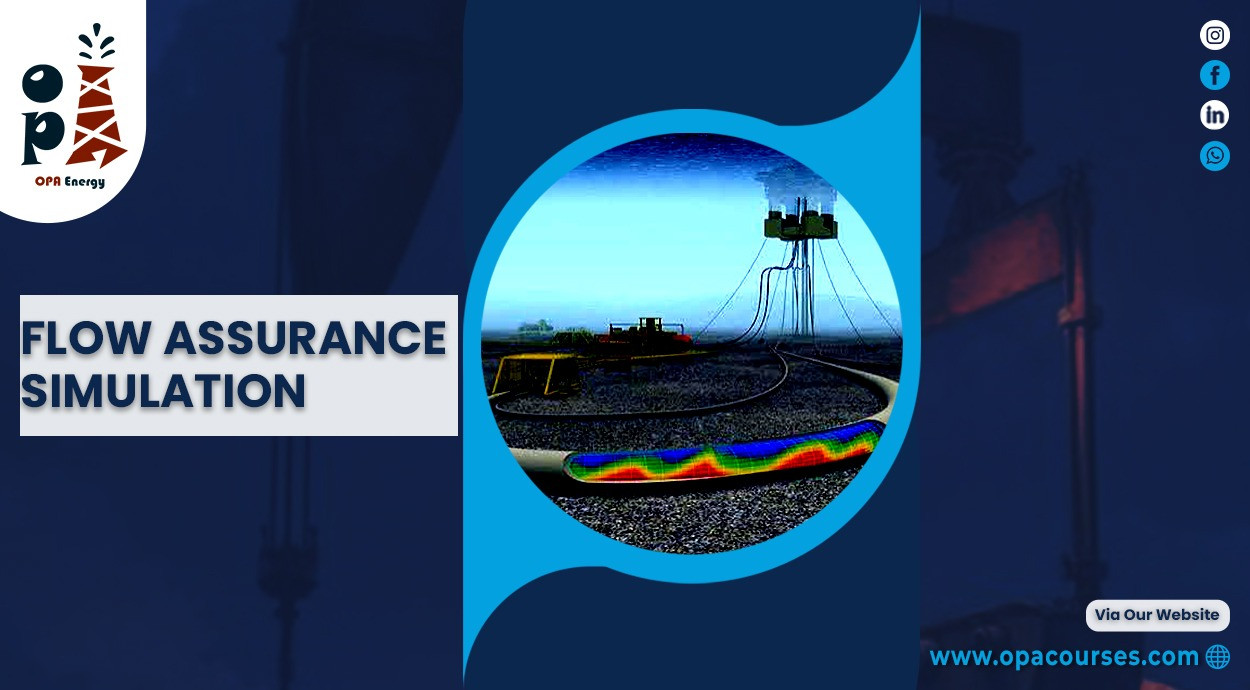
A practical 5-day course covering flow assurance principles, simulation, and mitigation of flow-related challenges in oil and gas production systems.
Best Seller

17 years Experience in oil and gas onshore & offshore fields
Education :
- Bachelor of Petroleum Engineering Suez University – 2009
- Diploma in advanced Chemistry – PSU 2025
- Preparing Master Degree in Chemical Engineering– PSU
Experience
- Wells operation and wells interventions
- Natural gas processing and production plants
- Process control systems
-Certified NEBOSH Process safety Management and ISO EMS
-Instructor for oil & gas courses with different training centers
Understand flow assurance fundamentals and key challenges.
Analyze fluid properties and multiphase flow behavior.
Identify and mitigate hydrate, wax, and scale formation.
Simulate pipeline networks and evaluate flow restrictions.
Assess gas well performance, water production, and slug flow.
Analyze pipeline behavior during shutdown and start-up.
Understand pigging operations and flow assurance control strategies.
This 5-day course covers fluid characterization, multiphase flow, and common flow assurance challenges, including hydrate, wax, and scale formation. Participants will practice pipeline and well simulations, analyze flow restrictions, and explore mitigation strategies for steady-state and transient operating conditions.

The Flow Assurance Simulation course was well-structured and highly relevant to practical oil and gas production operations. The course content was presented in a logical sequence, progressing from fundamental concepts to advanced simulation applications, making it easy to follow and understand. The lecturer demonstrated strong technical expertise and explained complex flow assurance topics clearly and effectively. Real-world examples, case studies, and practical discussions helped bridge the gap between theory and field applications. The instructor was responsive to questions and encouraged interactive participation throughout the training. The course organization was excellent, with well-prepared training materials, clear learning objectives, and sufficient time allocated for discussions and hands-on simulation exercises. The balance between theoretical concepts and practical applications enhanced the overall learning experience. Particularly valuable were the sessions covering hydrate management, wax and scale mitigation, multiphase flow analysis, pipeline network simulation, and shutdown/start-up scenarios, which provided practical insights applicable to field operations. Overall, I am very satisfied with the quality of the instruction and the professionalism of the course organization. The training successfully enhanced my understanding of flow assurance principles and simulation techniques, and I would highly recommend this course to engineers involved in production, flow assurance, and pipeline operations. Overall Rating: ⭐⭐⭐⭐⭐ (5/5) Suggestions for Improvement: Include additional industry case studies from offshore and deepwater operations. Provide more hands-on simulation exercises using real field data. Allocate extra time for advanced troubleshooting and optimization scenarios. Recommendation: Highly recommended for production, flow assurance, process, and petroleum engineers seeking practical knowledge of flow assurance simulation and pipeline flow management.

The drilling fluid in the well is very similar to the blood in your body, you should test your blood and read your body messages for you and act accordingly to keep yourself healthy. Drilling fluid also send you messages about your well, you should understand your drilling fluid, know its functions, test its properties, and read your well messages to keep your well stable, safe, and efficiently perform your drilling process.

From primary raw general guidelines to detailed sophisticated modeling studies

Organizing, analyzing, and managing data for efficient oilfield operations.

Principles and techniques of well stimulation using hydraulic fracturing methods.

A Comprehensive Nodal Analysis Theory and Practice

Performing and interpreting production logging tools to assess well performance.

Performing and interpreting production logging tools to assess well performance.

Organizing, analyzing, and managing data for efficient oilfield operations.

modeling well performance and production optimization through nodal analysis.

Principles and techniques of well stimulation using hydraulic fracturing methods.

Design, installation, and optimization of electric submersible pump systems.

Planning and executing well perforations to optimize reservoir drainage.

Organizing, analyzing, and managing data for efficient oilfield operations.

Applying rate transient analysis to assess reservoir performance and predict future production.

Core Python programming concepts applied to engineering and data tasks.

Advanced principles and techniques of pressure transient analysis for reservoir evaluation

Designing and executing acid treatments to enhance well productivity.

Techniques and procedures to prevent and manage wellbore kick and blowouts.

Analysis of subsurface formations using logs for reservoir characterization

Techniques for performing complex well interventions safely and efficiently.

Principles and design of gas lift systems to enhance production efficiency.

Simulation of thermal enhanced oil recovery techniques using CMG software.

Studying stress, strain, and rock mechanics to support reservoir management and drilling.

Design, installation, and optimization of electric submersible pump systems.

Strategies to maintain well integrity throughout the well lifecycle.

Master essential skills in Python, SQL, data analytics, machine learning, and MLOps. Gain hands-on experience and practical knowledge to effectively apply advanced data science techniques in the oil industry.

Design, operation, and optimization of sucker rod pumping systems in wells.

More than 20 cases from practical life covering different concepts in Analytical Reservoir Engineering

Hands-on modeling and simulation of reservoirs for production forecasting and planning

Managing process risks to prevent accidents and ensure operational safety.

Ensuring continuous and efficient flow of hydrocarbons through production systems.

Ensuring continuous and efficient flow of hydrocarbons through production systems.

Leveraging Power BI for visualization, analysis, and decision-making in oil & gas data.

Techniques and applications of coiled tubing for well intervention and maintenance.

The Progressing Cavity Pump (PCP) is emerging as a game-changer in oil production. Compared to traditional artificial lift methods, PCPs offer numerous advantages.
Design and execution of well completions for optimal production and safety.
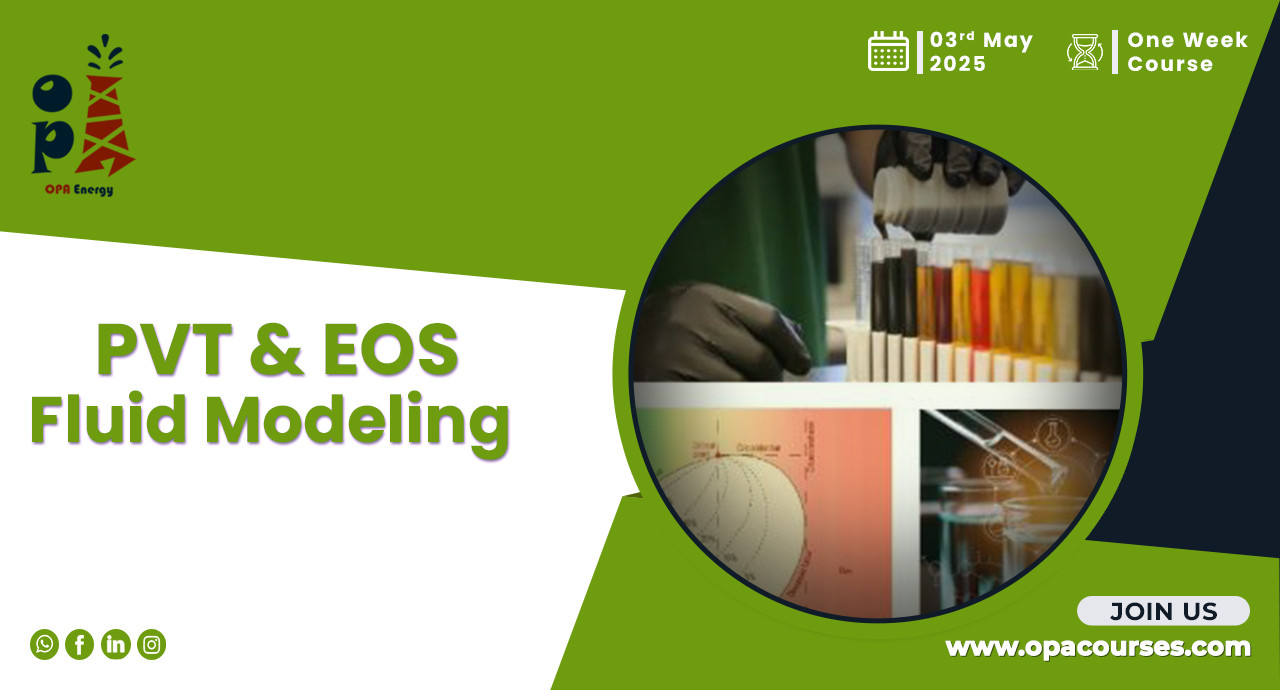
Understanding reservoir fluid behavior and modeling using PVT analysis and equations of state
Optimizing well and field production performance using nodal analysis techniques.
In-depth course on jet pump principles, design, operation, and optimization for efficient artificial lift performance.
This course delivers an end-to-end understanding of the drilling lifecycle, from rig systems and well planning through to field execution.
A structured course on estimating, classifying, and reporting petroleum reserves and resources in line with industry standards.
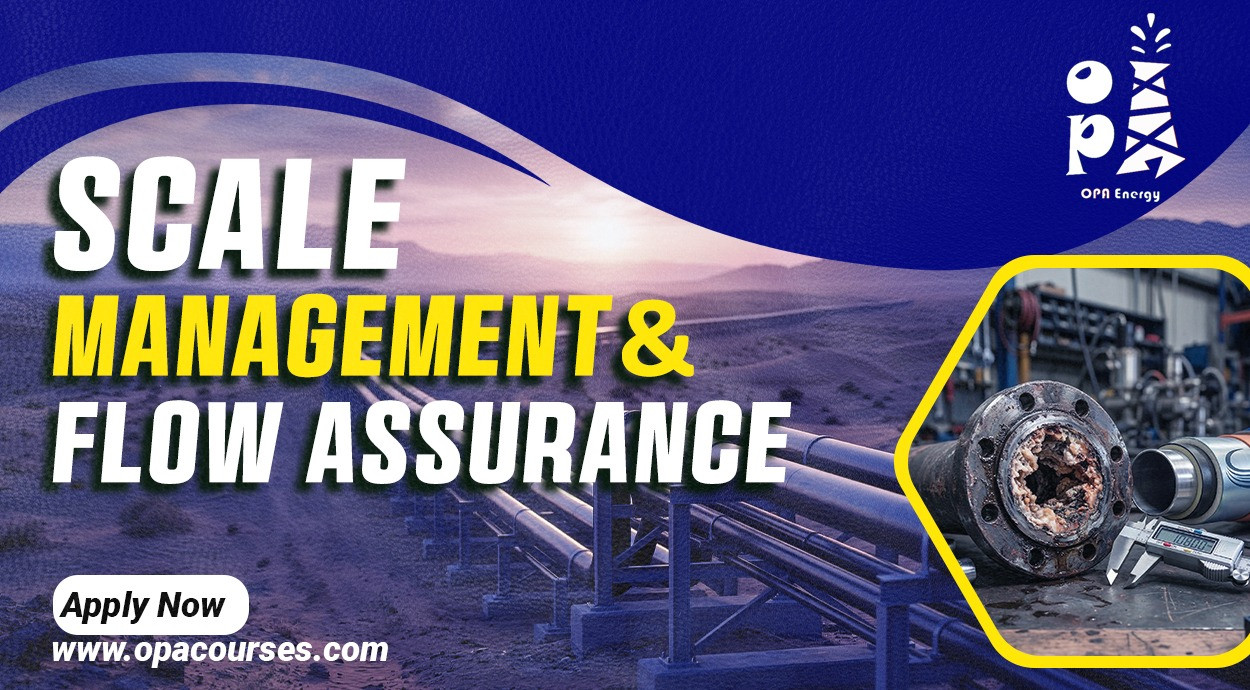
A practical course on preventing, monitoring, and mitigating mineral scale formation to protect well and production system integrity
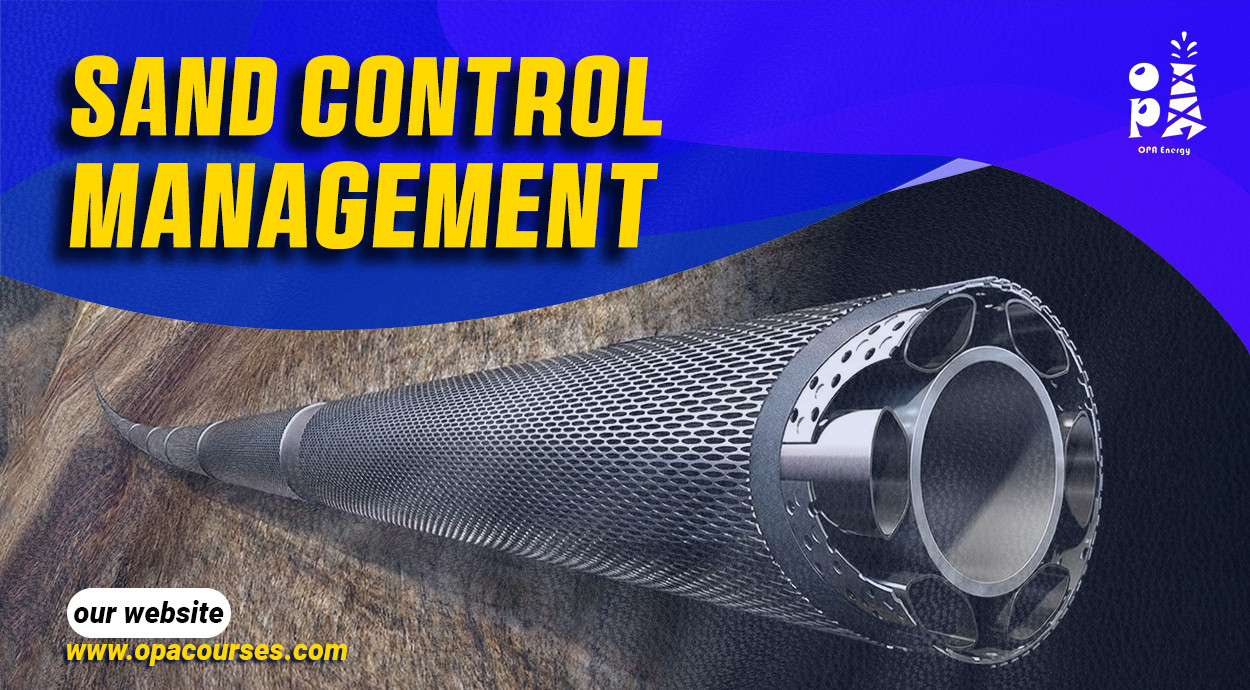
Implementation of mechanical and chemical barriers to prevent reservoir solids from entering the wellbore while maintaining optimal fluid production.
Intensive course covering oil and gas treatment systems, process equipment, flow assurance, control systems, production optimization, and process safety integration in upstream facilities
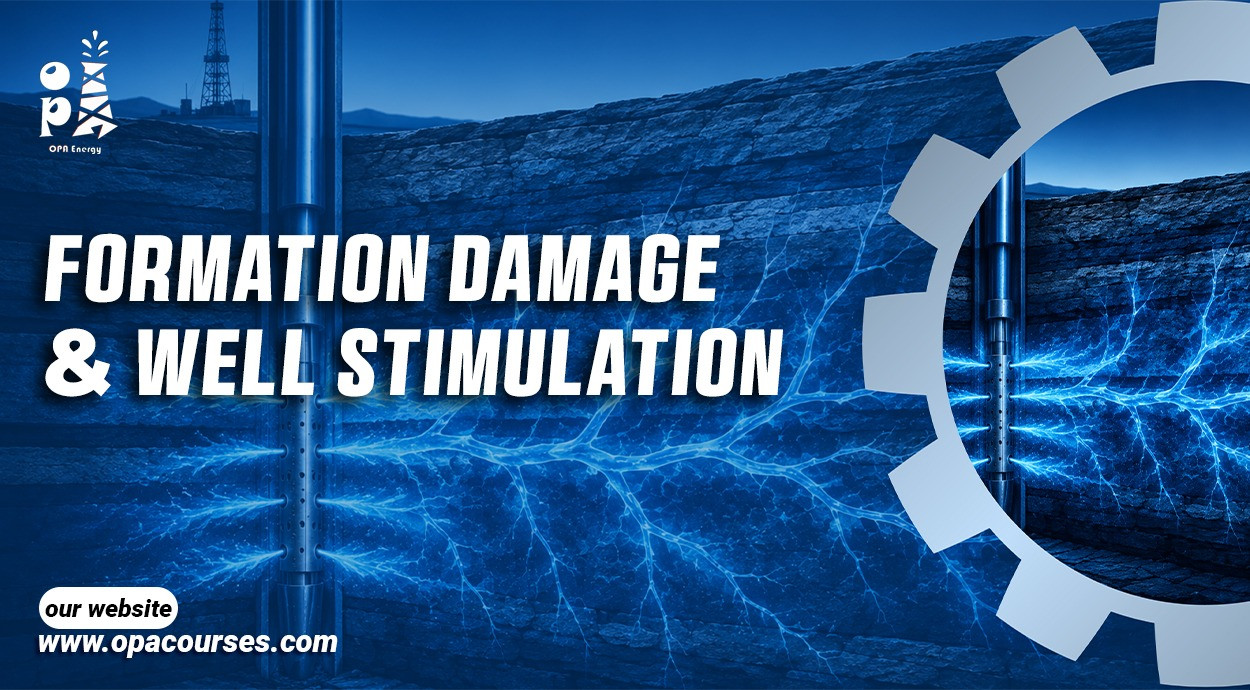
You will learn about formation damage causes, problems and mitigation. In additional, you will get introduction about recent chemical treatment to deal with these different types of formation damage and well stimulation technology to restore well productivity/injectivity. Also. Going through lab tests and required analysis.
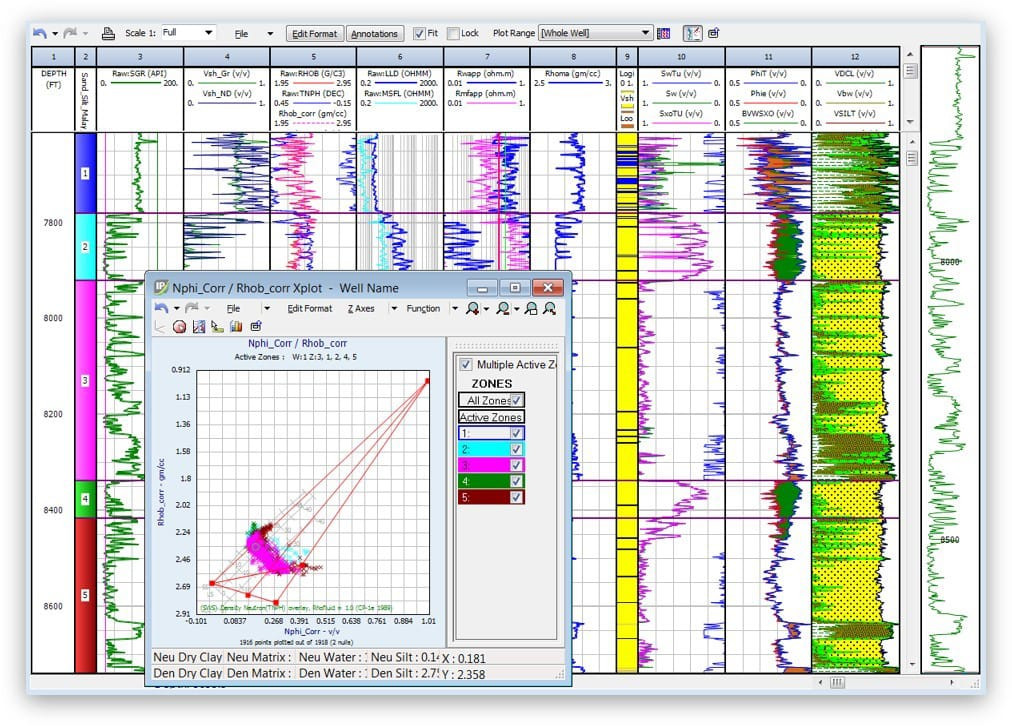
Develop practical skills in reservoir petrophysics and characterization, covering well log interpretation, formation evaluation, and reservoir properties assessment to support accurate reservoir evaluation and decision-making.
Teach what you love.OPA provides the perfect environment for you to create a professional online course.
Apply for an Instructor Account

Cannot find the course you are looking for? Or do you prefer a dedicated content? Request a one-to-one mentorship now!.
 Login
 Register