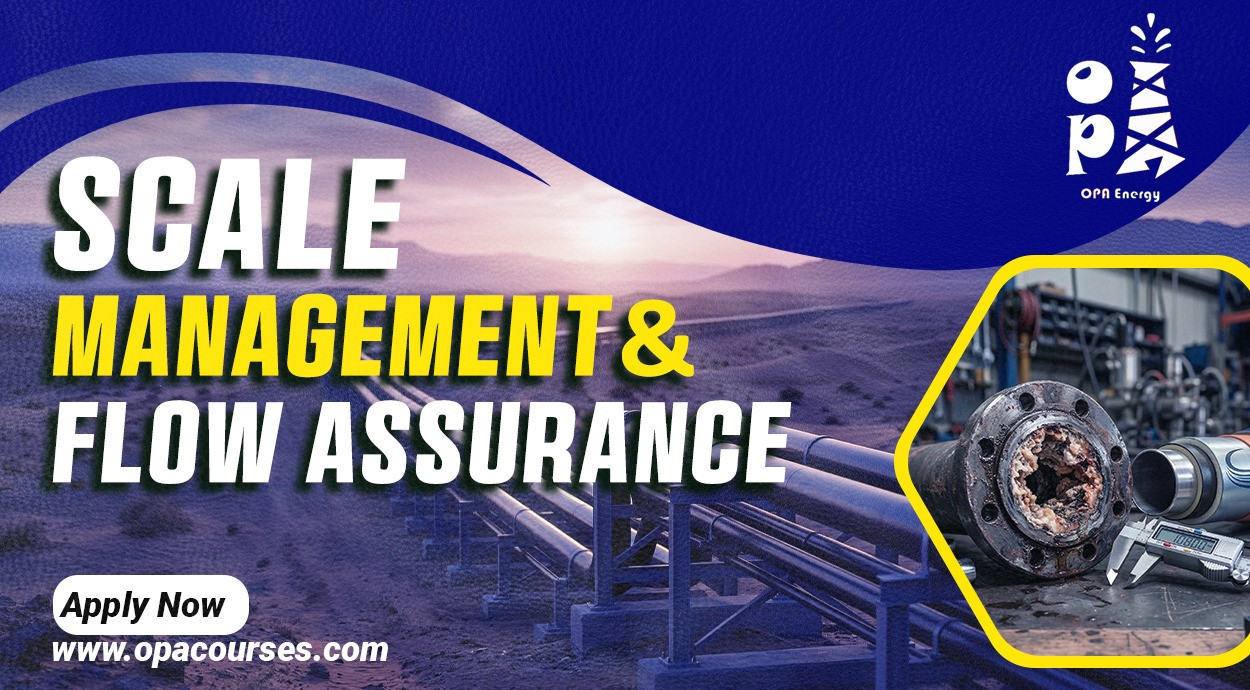
A practical course on preventing, monitoring, and mitigating mineral scale formation to protect well and production system integrity
Best Seller

Mohamed Askar is an experienced Well Integrity Engineer with over 13 years of working experience in the oil industry. He has a diverse range of expertise in various Petroleum Engineering roles, as company representative or consultant, including Artificial Lift, Well Integrity, Production Technology, Well Completion, Well Servicing, Well Intervention, Scale Management, and Flow Assurance. He has a valid IWCF certificate (Level 4 Well Control Certification).
Mohamed Askar holds a Master of Science Degree from Cairo University, Egypt, in Petroleum Engineering, where he implemented Artificial Neural Networks and different Machine Learning Algorithms in predicting scale depositions inside production wells. This research was awarded the First Place in a Scientific Research Competition organized the Egyptian Petroleum Association. Mohamed also completed his Bachelor's Degree in Petroleum Engineering from Suez Canal University, Egypt, and he was ranked in the Top 10 of the faculty. He is currently pursuing his PhD Degree in Petroleum and Natural Gas Engineering at a university in Turkey investigating corrosion inside well completion of production wells.
He has made multiple contributions in the form of Research Papers (Journal and Conference Papers) and presentations at several conferences, including King Saud University Journal of Engineering Sciences, SPE Journal, ADIPEC, MOC, EGYPS, and EOGC. Moreover, he has participated in several industry courses covering topics such as Well Integrity Management, Flow Assurance, Scale Management, Gas Lift, Well Completion, Well Servicing, Stimulation Techniques, Drilling and Workover Essentials, Production Technology, and all Well Intervention activities. Mohamed delivered corporate training programs for leading organizations in Middle East, Europe, and Africa. He holds a certificate of Training of Trainers (TOT) and acts as a registered SPE Ambassador Lecturer.
This six-day course is designed to provide your valuable attendees with a comprehensive knowledge of Scale Control and Management in the oilfield. The course will address the recommended practices according to field experience of oilfield Chemists and Petroleum Engineers through E&P companies. All aspects of scale prediction, prevention, and removal will be addressed and discussed.
The course will discuss flow assurance issues and their harming effects on the production systems. New chemicals and technologies will be provided into the course to copy with the industry trends.
This course provides a structured understanding of scale formation mechanisms, prediction, and control in oil and gas production systems. Participants learn the chemistry and thermodynamics of common oilfield scales, scale risk assessment and modeling, monitoring and sampling techniques, and the selection and application of chemical and mechanical mitigation methods. The program emphasizes field-relevant practices for inhibitor selection and deployment, treatment design, performance monitoring, and failure analysis, enabling participants to proactively manage scale-related risks and maintain flow assurance and asset integrity.

The drilling fluid in the well is very similar to the blood in your body, you should test your blood and read your body messages for you and act accordingly to keep yourself healthy. Drilling fluid also send you messages about your well, you should understand your drilling fluid, know its functions, test its properties, and read your well messages to keep your well stable, safe, and efficiently perform your drilling process.

From primary raw general guidelines to detailed sophisticated modeling studies

Organizing, analyzing, and managing data for efficient oilfield operations.

Principles and techniques of well stimulation using hydraulic fracturing methods.

A Comprehensive Nodal Analysis Theory and Practice

Performing and interpreting production logging tools to assess well performance.

Performing and interpreting production logging tools to assess well performance.

Organizing, analyzing, and managing data for efficient oilfield operations.

modeling well performance and production optimization through nodal analysis.

Principles and techniques of well stimulation using hydraulic fracturing methods.

Design, installation, and optimization of electric submersible pump systems.

Planning and executing well perforations to optimize reservoir drainage.

Organizing, analyzing, and managing data for efficient oilfield operations.

Applying rate transient analysis to assess reservoir performance and predict future production.

Core Python programming concepts applied to engineering and data tasks.

Advanced principles and techniques of pressure transient analysis for reservoir evaluation

Designing and executing acid treatments to enhance well productivity.

Techniques and procedures to prevent and manage wellbore kick and blowouts.

Analysis of subsurface formations using logs for reservoir characterization

Techniques for performing complex well interventions safely and efficiently.

Principles and design of gas lift systems to enhance production efficiency.

Simulation of thermal enhanced oil recovery techniques using CMG software.

Studying stress, strain, and rock mechanics to support reservoir management and drilling.

Design, installation, and optimization of electric submersible pump systems.

Strategies to maintain well integrity throughout the well lifecycle.

Master essential skills in Python, SQL, data analytics, machine learning, and MLOps. Gain hands-on experience and practical knowledge to effectively apply advanced data science techniques in the oil industry.

Design, operation, and optimization of sucker rod pumping systems in wells.

More than 20 cases from practical life covering different concepts in Analytical Reservoir Engineering

Hands-on modeling and simulation of reservoirs for production forecasting and planning

Managing process risks to prevent accidents and ensure operational safety.

Ensuring continuous and efficient flow of hydrocarbons through production systems.

Ensuring continuous and efficient flow of hydrocarbons through production systems.

Leveraging Power BI for visualization, analysis, and decision-making in oil & gas data.

Techniques and applications of coiled tubing for well intervention and maintenance.

The Progressing Cavity Pump (PCP) is emerging as a game-changer in oil production. Compared to traditional artificial lift methods, PCPs offer numerous advantages.
Design and execution of well completions for optimal production and safety.
Understanding reservoir fluid behavior and modeling using PVT analysis and equations of state
Optimizing well and field production performance using nodal analysis techniques.
In-depth course on jet pump principles, design, operation, and optimization for efficient artificial lift performance.
This course delivers an end-to-end understanding of the drilling lifecycle, from rig systems and well planning through to field execution.
A structured course on estimating, classifying, and reporting petroleum reserves and resources in line with industry standards.
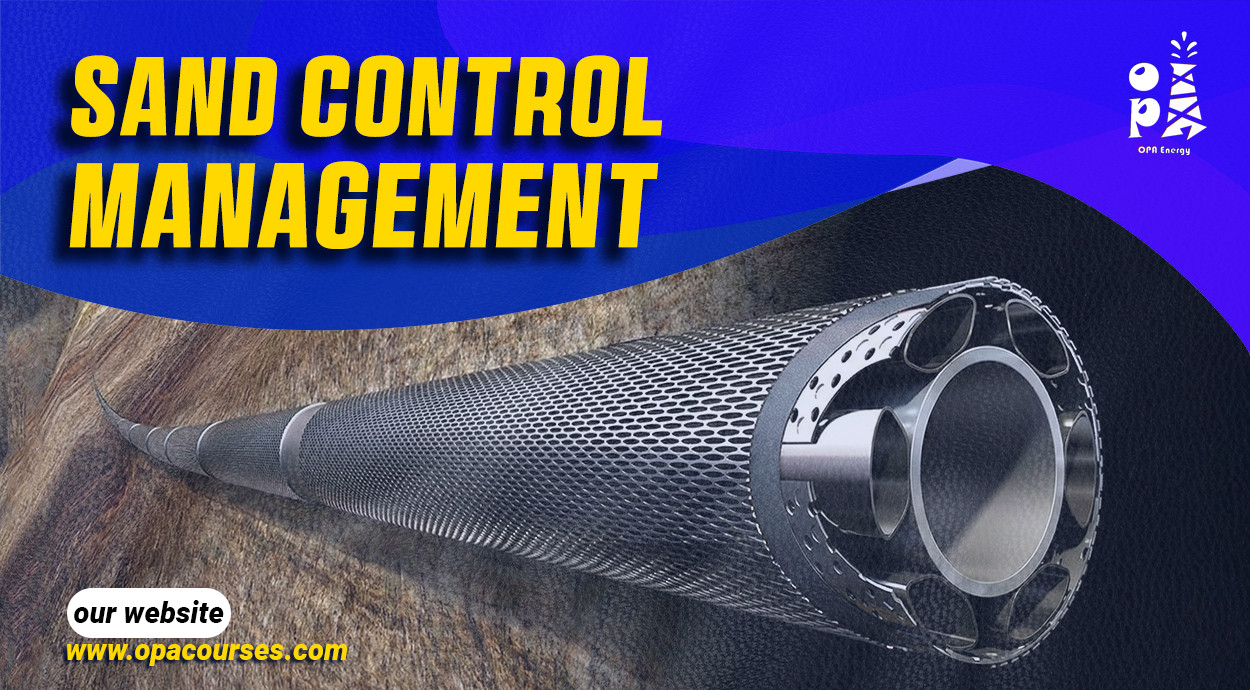
Implementation of mechanical and chemical barriers to prevent reservoir solids from entering the wellbore while maintaining optimal fluid production.
Intensive course covering oil and gas treatment systems, process equipment, flow assurance, control systems, production optimization, and process safety integration in upstream facilities
You will learn about formation damage causes, problems and mitigation. In additional, you will get introduction about recent chemical treatment to deal with these different types of formation damage and well stimulation technology to restore well productivity/injectivity. Also. Going through lab tests and required analysis.

Develop practical skills in reservoir petrophysics and characterization, covering well log interpretation, formation evaluation, and reservoir properties assessment to support accurate reservoir evaluation and decision-making.

5-day course covering end-to-end pipeline integrity management, from threat assessment, ILI and defect/FFS evaluation to corrosion control, repair, and risk-based PIMS implementation using real-world cases.
Teach what you love.OPA provides the perfect environment for you to create a professional online course.
Apply for an Instructor Account

Cannot find the course you are looking for? Or do you prefer a dedicated content? Request a one-to-one mentorship now!.
 Login
Login Register